
Blenheim Palace
Explore Palace rooms, formal gardens and living-estate stories, with winter daylight shaping your outdoor time
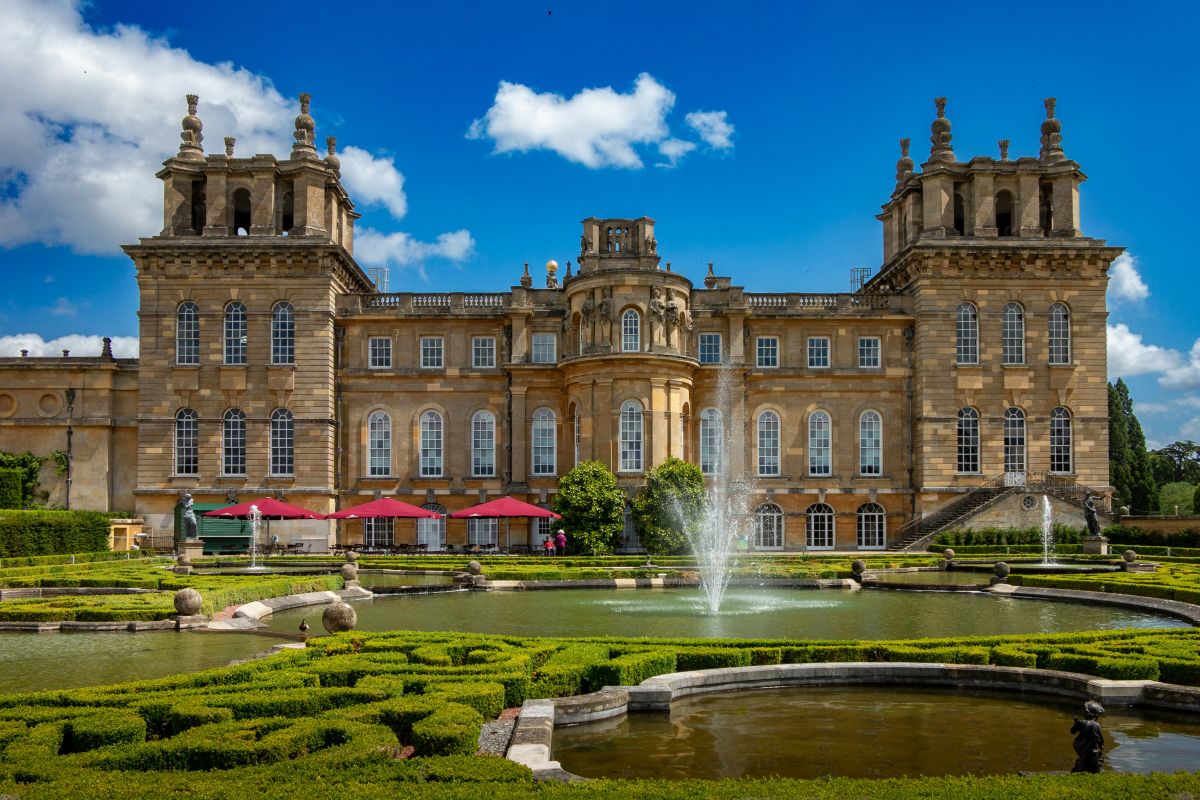
Blenheim Palace works best as a narrative estate visit, not simply a tour of a stately home. The Palace and State Rooms still give the day its formal centre, but the stronger experience follows four interpretive lenses: Sarah Churchill for questions of preservation and ambition, Consuelo Vanderbilt for beauty and reinvention, Winston Churchill for family legacy and national memory, and the living estate for gardens, craft and continuing care. These are ways to explore the place, not claims that any one person created its landscape or secured its survival.
The day begins with arrival through the estate, letting scale and stillness build before the Palace appears. Inside, the State Rooms invite reflection on preservation while the Churchill material deepens the sense of legacy. Outside, the gardens, lake views and Walled Garden offer settings for reflection on reinvention and continuity rather than separate add-ons.
The most memorable Blenheim day chooses an emotional thread before it chooses a route. First-time culture-led guests usually start with Sarah Churchill and the Palace, families can use the living-estate story around the Walled Garden, maze and train, and slower luxury guests may spend less time covering ground and more time pausing, dining and noticing. Planning matters because the estate is large, ticketed areas differ, private events can change access, and the best moments often depend on someone deliberately slowing the day down.